Protecting Children, Communities, and the Future of Drinking Water
More than a decade after lead contamination in drinking water became a national headline, one uncomfortable truth remains clear in 2026:
Lead in drinking water is still a serious public health problem.
Medical experts continue to warn that millions of children in the United States remain at risk of developmental harm due to lead exposure, with drinking water identified as a significant source — particularly in older homes, schools, and public buildings.
Lead exposure is not a historical issue. It is a current, ongoing challenge that demands sustained attention, funding, and accountability.
Is Lead in Drinking Water Really Still a Problem?
The answer is simple: yes.
There is no safe level of lead exposure, especially for:
- Infants and young children
- Pregnant women
- Developing fetuses

Lead can damage multiple systems in the body, but its effects on developing brains are particularly severe and often irreversible. Documented impacts include:
- Learning disabilities
- Behavioral and attention disorders
- Reduced IQ
- Long-term neurological impairment
At very high levels, lead exposure can cause seizures, coma, and even death. Any detectable lead in drinking water must be taken seriously.
Admitting the Problem Is the First Step
One of the biggest obstacles to solving the lead crisis has never been technology — it has been denial.
Communities that delay action, minimize test results, or ignore warning signs only prolong exposure and increase harm. History has shown that when problems are ignored, responsibility is rarely accepted until damage is already done.
Admitting a problem exists is not a failure, it is the starting point for meaningful solutions.
This Is Not Just One City’s Problem
While Flint, Michigan brought national attention to lead contamination, it was never an isolated case.
Over the past decade, elevated lead levels have been identified in communities across the country, including:
- Newark, New Jersey
- Detroit, Michigan
- Milwaukee, Wisconsin
- Philadelphia, Pennsylvania
- Washington, D.C.
- Numerous smaller cities and rural systems
Many of these communities face similar challenges:
- Aging infrastructure
- Lead service lines
- Corrosion control failures
- Limited funding for replacement programs
In Newark, for example, repeated system-wide lead test failures forced officials to distribute water filters and bottled water, while launching a multi-year plan to replace lead service lines and improve corrosion control. Progress has been made — but only after years of exposure and public pressure.
Schools and Public Buildings Remain High Risk
Public buildings often present greater lead exposure risks than residential homes due to:
- Older plumbing systems
- Oversized piping
- Long periods of stagnation
- Dead-end piping (dead legs)
Schools, daycare centers, hospitals, nursing homes, and government buildings frequently contain:
- Copper piping installed with lead-based solder
- Fixtures manufactured before modern lead-free requirements
- Plumbing systems installed prior to the 1986 Safe Drinking Water Act amendments
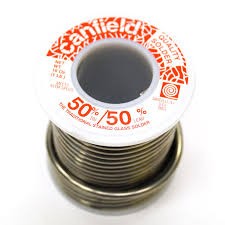
Testing has repeatedly shown that even buildings with “lead-free” fixtures can still experience elevated lead levels if upstream piping contains lead or corrosion control is inadequate.
Lead Is Not the Only Water Quality Concern
Lead contamination rarely exists in isolation.
Stagnant water conditions that increase lead leaching can also promote:
- Legionella growth
- Other waterborne pathogens such as Giardia
Poor water quality management threatens both chemical and biological safety, making comprehensive water system oversight essential.
Infrastructure Replacement Is Slow and Expensive
Lead service line replacement is progressing far too slowly nationwide.
Current estimates suggest that:
- Lead service lines are being replaced at a rate of less than 1 percent per year
- Full replacement could take more than a century without accelerated funding
- Total costs could exceed $1 trillion nationally
While federal and state funding programs have expanded, implementation remains uneven, and many communities still lack the resources to act quickly.
What Can Be Done Right Now?
While full infrastructure replacement is the ultimate solution, interim protections matter.
Effective strategies include:
- Comprehensive water testing from the main to the point of use
- Installation of properly sized point-of-use and point-of-entry filtration systems
- Corrosion control optimization
- Routine flushing programs
- Targeted testing in high-risk buildings
- Public transparency and communication
Modern filtration technologies have already proven effective in reducing lead exposure in affected communities, but they must be properly selected, installed, and maintained.
Accountability and Commitment Are Essential
Removing lead from gasoline and paint required decisive action and long-term commitment. Drinking water deserves the same priority.
- Protecting public health requires:
- Honest acknowledgment of risks
- Regular testing and reporting
- Adequate funding
- Clear accountability at all levels of government
Clean, safe drinking water is not optional. It is fundamental.
Looking from the Source to the Tap
The solution to lead contamination must address the entire system:
- Source water treatment
- Distribution mains
- Service lines
- Building plumbing
- Fixtures and outlets
We cannot accept partial fixes or slow progress when children’s health is at stake.
We can live without many modern conveniences—but we cannot live without safe drinking water. The longer we delay, the more irreversible harm we allow.
The time to get the lead out is not tomorrow.
It is now.

Sean Cleary
Sean Cleary serves as Vice President of Industry Programs and Operations for the IAPMO Backflow Prevention Institute, advancing education and technical training in cross-connection control and backflow prevention. The IAPMO Backflow Prevention Institute helps to ensure that the professionals responsible for protecting drinking water are properly trained and certified.
A licensed master plumber with more than four decades of experience, Sean has worked in all phases of the plumbing and mechanical industries, with deep expertise in cross-connection control systems. He is a Past President of the American Society of Sanitary Engineering (ASSE) and served for more than a decade as Chairman of the ASSE Cross-Connection Control Technical Committee. A graduate of the United Association Instructor Training Program, Sean has dedicated much of his career to strengthening professional competency, standards alignment, and technical excellence across the industry.
Under Sean’s leadership, the IAPMO Backflow Prevention Institute prepares plumbers, pipe fitters, irrigation techs, sprinkler fitters, HVAC techs, plumbing engineers, inspectors, facility managers to earn and maintain ASSE and other industry certifications through comprehensive training and continuing education offered across the United States and internationally. Sean co-authored the IAPMO Backflow Reference Manual and has contributed to numerous technical publications. Through his work with IAPMO, ASSE, the American Society of Plumbing Engineers (ASPE), and state plumbing inspector organizations, Sean helps ensure that certified professionals are equipped to prevent contamination and safeguard the drinking water systems communities rely on every day.